
As an Amazon Associate I earn from qualifying purchases.
The first meditation chair I bought was a mistake, and I only figured that out after six weeks of sitting on it with a numb foot and a lower back that complained every time I stood up. I had knee pain on the floor, so I assumed any chair labeled for meditation would fix the problem. It did not. What helped was understanding that meditation chairs are not one category. They solve different physical problems, and picking the wrong type is worse than sitting on a folded blanket. These are the seven best meditation chairs I recommend after years of floor sitting, bench experiments, and helping friends set up practice spaces in apartments where the floor is hard and the walls are thin. I am not a physical therapist, so treat this as practitioner guidance, not medical advice.
Best meditation chairs

1. Pipersong Meditation Chair Plus

This type of chair is built for people who want to sit cross-legged or in a half-lotus without fighting their hips. The enlarged seat and backrest give you room to shift leg positions, which matters more than it sounds when a twenty-minute sit turns into forty. Memory foam padding helps on longer sessions, though I would not call any padded chair a substitute for building hip flexibility over time.
What I notice in chairs like this is the swivel footstool. It lets you change leg placement without standing up, which keeps the practice flow intact on mornings when stiffness is high. I have used similar designs when my ankles were too tight for a flat meditation cushion but my knees still rejected a full kneeling bench. The honest downside: if you need firm lumbar support because of a back injury, this style may feel too soft and too low. Price tends to run high, and the learning curve is real if you are coming from a desk chair. Give yourself a week before you decide it does not work.
Worth mentioning: height and weight range matter. Taller sitters should check seat height against their shin length. I am five-foot-six and fit comfortably. A friend who is six-foot-two needed a different solution entirely. Read the weight limit and believe it if you plan to use this daily.
2. Seagrass Meditation Yoga Chair

Seagrass and solid wood chairs sit in a different lane: low profile, natural materials, and a wide seat platform for cross-legged sitting close to the floor. I like them when the practice space is visible from the rest of the room and you want the chair to look like furniture, not gym equipment. The frame is usually heavy, which is stability on hardwood floors and a nuisance if you move the chair every day.
In my experience, the cushion quality makes or breaks this category. A thin cushion on a hard frame transfers pressure to your sit bones within fifteen minutes. Look for removable covers you can wash, because light cream fabric shows wear fast. I would pair this style with a dedicated corner rather than a multi-use living room if you have pets or kids. The price is often higher than a simple floor chair, but a well-built frame lasts years. If you already use a meditation bench and want something wider for wider hips, this is the direction I would look first.
3. Besunbar Meditation Floor Chair

Adjustable floor chairs are the apartment-friendly option. They fold relatively flat, sit directly on the ground, and offer multiple back angles for meditation, reading, or the post-session cup of tea I am not ashamed to admit I need. Thick padding and breathable fabric matter if you live somewhere warm. I used a floor chair like this for six months in a studio where storing a full meditation setup was impossible.
The tradeoff is stability. Lightweight frames can tip if you lean hard or shift quickly. I learned to adjust the angle before I sat down, not mid-session. Six positions sounds like plenty; in practice I used two of them. One for upright breath focus, one slightly reclined for a longer body scan. If you need a chair that doubles for TV watching, this category works. If you want a single dedicated meditation seat that never moves, a heavier seagrass or kneeling chair may feel more grounded.
4. Youhauchair Ergonomic Chair

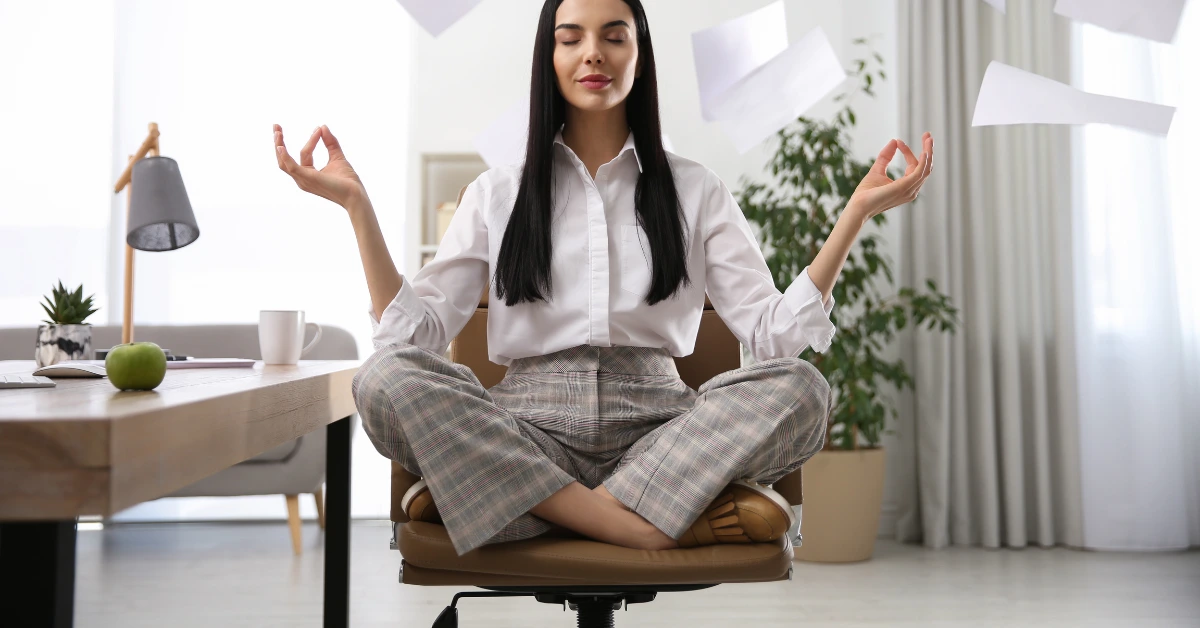
I include ergonomic office-style chairs here with a clear caveat: they are not traditional meditation chairs, but they solve a real problem for people who cannot sit on the floor at all. After a back flare-up in 2019, I spent three weeks meditating in a desk chair with my feet flat on the ground. It was not ideal, but it kept the habit alive when the floor was off limits.
What to look for if this is your path: adjustable lumbar support, seat depth that lets your thighs rest without pressure behind the knees, and armrests that do not force your shoulders up. A high back helps if you tend to slump during longer sits. Headrest optional. I found that locking the recline in an upright position prevented the slow slide into a half-nap that ends every good intention.
The thing I get wrong most often is treating an office chair like a meditation throne. You still need a timer, still need a consistent spot, still need to reduce visual clutter in your line of sight. A good ergonomic chair supports the body. It does not replace the mental work. If your primary use is work plus one daily sit, one adjustable chair may be enough. If meditation is the main use, floor or kneeling options usually keep you more alert.
5. Chair with Foot Rest

Chairs with integrated footrests target the same audience as ergonomic desk chairs: people sitting upright for extended periods who want leg support without crossing ankles under the seat. The footrest can reduce swelling and lower-back strain during long sits, which is why some practitioners use them for reading retreats or guided sessions that run past thirty minutes. Mesh backs help with airflow, which I notice more in summer than in Portland rain season.
I would not choose this style if your main practice is breath focus and you tend to slide forward when relaxed. The footrest encourages a settled, slightly reclined posture that can drift toward sleep on early mornings. For afternoon sits when energy is higher, it works well. Adjust the rest so your knees stay level with or slightly below your hips. That one detail changed my comfort more than any brand name on the label.
6. Ergonomic Meditation Kneeling Chair

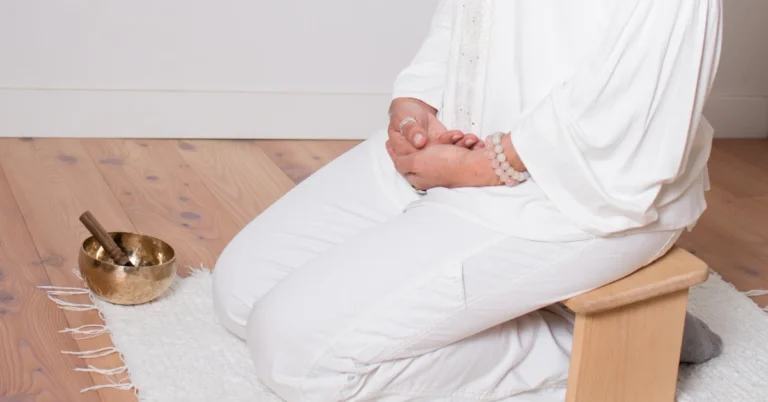
Kneeling chairs tilt your pelvis forward and drop your shins onto a padded support. They take pressure off the lower back when floor cross-legged sitting is not an option. I recommend trying one in person if you can, because shin comfort varies wildly. Some people love the open hip angle. Others find shin pressure unbearable after ten minutes.
Pneumatic height adjustment and swivel casters are practical if the chair lives in a shared space and you move it between desk work and meditation. I used a kneeling chair for desk work long before I used one for sitting practice, and the posture shift was noticeable within a few days. Weight limits are real here. Check them. Cushion firmness is personal: too soft and you sink, too firm and your shins protest.
If kneeling already works for you on a simple bench, a wheeled kneeling chair may be unnecessary complexity. If your back hurts in cross-legged positions but your knees tolerate kneeling, this is often the best meditation chair category to test next. Start with twenty-minute sessions and notice where pressure builds. That spot tells you whether you need more shin padding or a different seat angle.
7. Floor Chair with Back Support
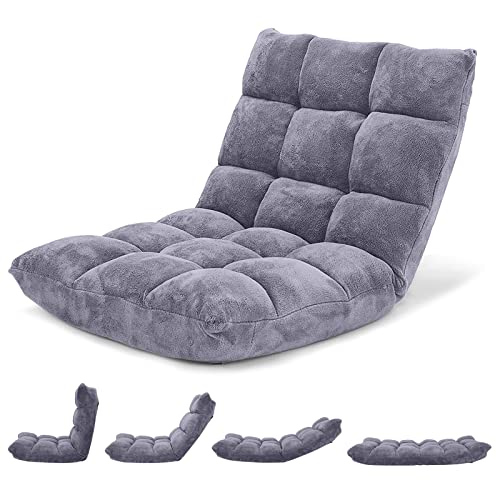
Floor chairs with adjustable backs bridge the gap between a cushion on the ground and a full seat. Multiple angle settings let you find an upright posture for breath meditation and a slight recline for longer guided sessions. Steel frames and non-slip bases matter if you fidget or adjust often. I like models that fold flat for storage because meditation gear tends to take over small rooms quickly.
Check seat height against your leg length. A seat that is too low forces awkward knee angles. Too high and you lose the grounded feeling that floor sitting provides. Lumbar support on these chairs is usually minimal, so they suit people with healthy backs who want backrest convenience, not people managing chronic pain without medical guidance. New foam sometimes smells for a few days after unboxing. Air it out near a window before your first long sit.
My bottom line for this category: buy for the angle range you will actually use, not the maximum number on the spec sheet. Two stable positions beat fourteen that all feel similar. Combine with simple meditation accessories like a timer and a blanket rather than stacking more furniture in the same corner.
Choosing among the best meditation chairs comes down to your body, not a ranked list on a blog. Floor, bench, kneeling, or upright seat: the right answer is the one that lets you show up tomorrow without dreading the physical part. Start with what hurts today, test one change at a time, and keep the habit smaller rather than perfect.