
As an Amazon Associate I earn from qualifying purchases.
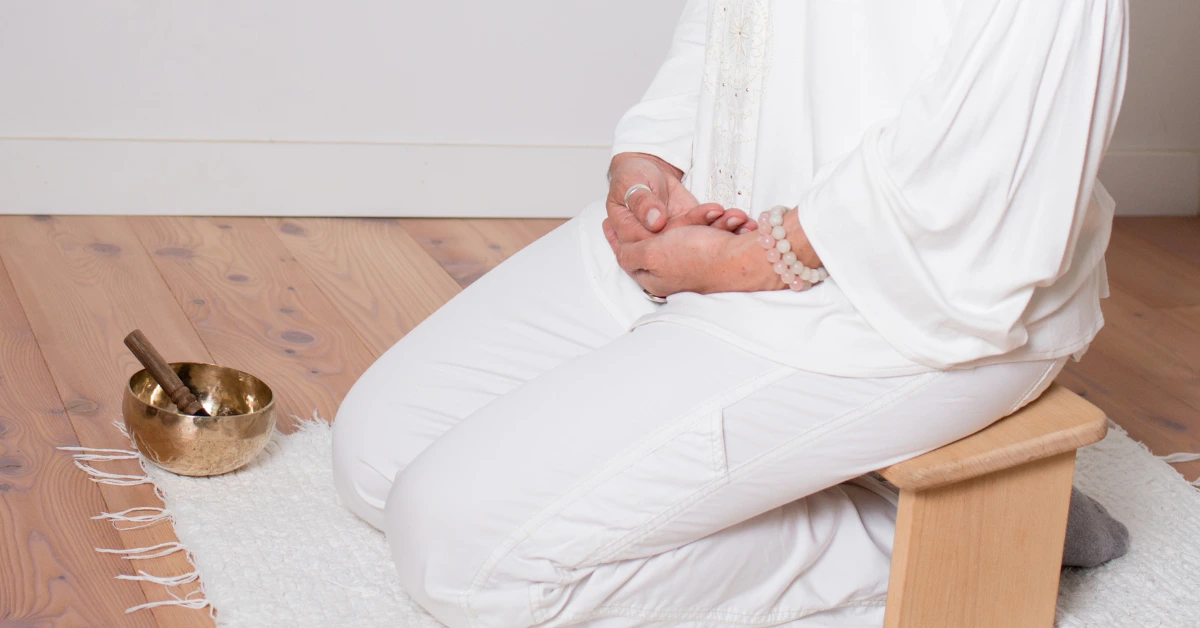
For years I assumed the problem was me. I would sit cross-legged, last about ten minutes, and then spend the rest of the session negotiating with my knees instead of following my breath. A teacher finally pointed at my hips and said, plainly, that some bodies are not built to fold that way for long. A meditation bench fixed in a week what I had been white-knuckling for months. It shifts you into a kneeling (seiza) position, takes the strain off the knees and ankles, and keeps the spine upright without effort.
So I have opinions about benches, and I have tried a lot of them. Below are nine I have used or tested closely, with honest notes on who each one suits and where it falls short. A bench is not magic and it is not for everyone, but if sitting hurts, it is the first thing I would change before blaming your practice.

How to Choose a Meditation Bench
A few things decide whether a bench works for your body. Seat height comes first: most benches sit around six to eight inches, and if you are tall or have long legs, a low seat cramps you. Check the height against your own shins before buying. Then the seat angle. A slight forward tilt tips your pelvis and lets the spine stack naturally, which is the whole point. A flat seat does less.
After that it is about your life, not just your body. If you only sit at home, weight and a fixed frame are fine and often more stable. If you carry your practice to an office or a retreat, look for a folding design with a bag. And if your floors are hard, plan to add a cushion or a folded blanket under your shins regardless of which bench you pick. A bench solves posture; padding solves the part where your feet press into the floor. If you are still weighing a bench against a floor cushion, my notes on meditation cushions cover that trade-off.
9 Best Meditation Benches
1. Waterglider Acacia Bench (Best for Home Use)

This is the bench I actually use most days. The acacia wood is solid and the curved legs rock slightly, which sounds gimmicky but genuinely lets you find the angle where your spine settles. Once I dialed mine in, I went from ten comfortable minutes to a full thirty without thinking about my knees.
The honest limits: the leg geometry caps it at around six feet of height, it does not adjust, and it is heavy. None of that matters if it lives in one spot at home, which is exactly how I use it. If you want something to travel with, look further down the list.
2. Florensi Foldable Bench (Best for the Office)

The folding frame and carry case make this the one I keep at work for a midday reset. The angled seat does its job: my lower back and hips complain noticeably less after a session than they used to on a chair. It sets up in seconds, which matters when your break is short.
At six inches the seat runs low, so taller friends find it tight. The cushioning is also thin, fine for fifteen minutes, less so for a long sit. I would add a thin pad if you plan to stay down for a while.
3. Mindful Modern Bamboo Bench (Best for Travel)

Bamboo keeps this one light, and the magnetic locking hinges make it feel sturdier than its weight suggests. I took it to a weekend retreat and never worried about it folding under me mid-session. The angled seat keeps the pelvis tilted forward, which is what saves your hips on a hard floor.
It is genuinely a travel piece, so do not expect the planted heft of a home bench. For kneeling, praying, or stretching in seiza away from home, it is hard to beat at this size. It also makes a sensible gift for someone who has started sitting and keeps complaining about their knees.
4. YOGA DOOD Adjustable Bench (Best Adjustable Option)

The adjustable seat is the selling point here, and it is a real one. Being able to change the angle means you can tune the fit to your body instead of hoping a fixed bench happens to match it. The included carry bag and cushioned seat make it a comfortable all-rounder.
The seat still sits low for taller users, so measure first. And the cushion, while welcome, is on the thin side. If your sessions run long, budget for a little extra padding. For most people starting out, the adjustability is worth more than the minor cushion gripe.
5. Estleys Bamboo Bench (Best Budget Pick)
If you want to try a bench without committing much money, this bamboo model is the one I point beginners toward. It is sustainable, sturdy enough for daily home use, and the ergonomic shape gets the basics right. For a first bench, it answers the only question that matters: does sitting hurt less? For me, it did.
The folding design is slightly less rock-solid than a fixed frame, though the magnetic hinges hold fine in practice. The cushion is thin, and the natural bamboo tone will not match every room. Minor compromises at this price, and none of them get in the way of the actual sitting.
6. BLUECONY IKUKO Bench (Best for Different Body Types)

What sets this one apart is that it comes in three sizes, so you are not forced into an average that fits nobody exactly. The curved, arched seat gives real support, and the open kneeling angle let my back straighten without me forcing it. If past benches have felt wrong for your frame, the sizing here is the fix.
Even with three sizes, very tall or very petite users may still find the fit imperfect, so check the measurements carefully. It is a touch bulky too, though the travel version dismantles and comes with a cotton bag. I sit fine without an extra cushion, but some will want one.
7. Namalu Bench with Cushion (Best Bundle)

This one arrives as a set: bench, soft cushion, and carry bag. The solid wood is smooth and well finished, and the seat angle takes pressure off the knees that cross-legged sitting always put on mine. Having the cushion included means you are not hunting for padding separately, which I appreciate.
The cushion is removable and washable, a small thing that matters over time. The catches are familiar by now: a bit small for tall users, cushion not especially thick, and the kneeling position is hard on anyone with existing knee or joint issues. If your knees are already a problem, test carefully before long sits.
8. Turquoise Folding Bench (Best for Color)

If you want a bench with a little personality, the turquoise finish stands out without being loud. Past the looks, it is light, folds flat, and the bamboo feels built to last. The kneeling posture it sets up is a genuine relief if your knees or back protest cross-legged sitting.
My one real complaint is the top cushion. It looks nice but offers little support and let me slide around mid-session. I ended up laying a separate cushion or folded blanket on top, which solved it. Factor that in if you choose this one for the color.
9. TreaHome Walnut Bench (Best Looking)

The walnut finish is the nicest looking bench on this list, and it does not stop at looks. The ergonomic shape held my posture through long sessions and noticeably cut the back ache I used to finish with. The materials feel built to outlast a few seasons of daily use.
Assembly is fiddlier than the others, especially attaching the legs, but once together it is rock solid. As with most here, the height suits average frames better than tall ones, and the backless design takes some getting used to. Try a few short sits before you decide it is your daily bench.
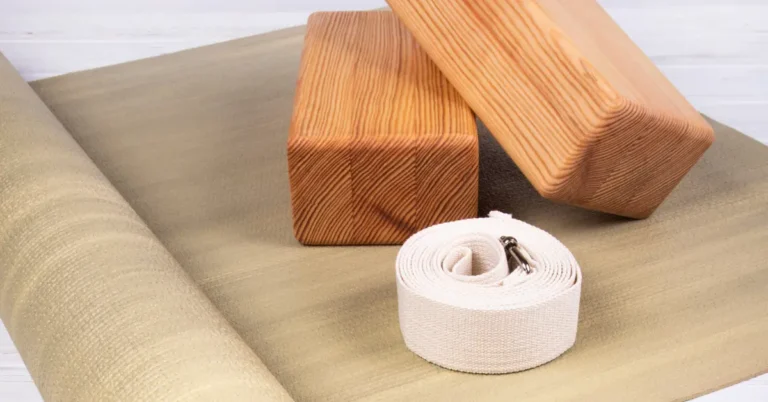
Whichever you choose, a bench is one piece of a comfortable setup. A folded blanket under the shins, the right seat height, and a tidy corner do as much as the bench itself. If you are still building that corner, my roundups of meditation accessories and meditation mats cover the rest, and if kneeling never quite agrees with you, a supportive meditation chair is the obvious alternative.
FAQ
u003cstrongu003eAre meditation benches better than cushions?u003c/strongu003e
Neither is better outright; they suit different bodies. A bench puts you in a kneeling position that takes strain off the knees and keeps the spine upright with little effort, which helps people who find cross-legged sitting painful. A cushion keeps you cross-legged but raises the hips. If sitting cross-legged hurts, a bench is usually the bigger relief.
u003cstrongu003eWhat seat height should a meditation bench be?u003c/strongu003e
Most benches sit around six to eight inches. The right height depends on your shin length: your seat should rest comfortably on your heels without crushing your ankles or leaving your hips cramped. Taller people with longer legs usually need the higher end of that range, so check the measurement before buying.
u003cstrongu003eAre meditation benches good for bad knees?u003c/strongu003e
They can help, because the kneeling posture removes the deep hip and knee fold that cross-legged sitting demands. That said, kneeling still places weight through the knees, so anyone with existing knee or joint problems should test gently and add padding under the shins. If kneeling itself hurts, a chair may suit you better.
u003cstrongu003eFixed or folding meditation bench?u003c/strongu003e
Choose based on where you sit. A fixed bench is generally more stable and suits a permanent spot at home. A folding bench with a carry bag is the better pick if you take your practice to an office, a class, or a retreat. Modern folding benches with locking hinges are sturdy enough for daily use.
If you have been blaming yourself for not being able to sit still, try changing the seat before changing the practice. Tell me in the comments which bench worked for your body, and follow along on Pinterest for more on building a practice that does not hurt.