
As an Amazon Associate I earn from qualifying purchases.
Most meditation room guides tell you what to buy. Almost none of them explain what actually belongs in a practice corner and what just adds visual noise. I came to meditation decor through a design problem, not a spiritual one. My first setup was a folding chair in front of a bookshelf, and everything I could see while sitting was work-related. The fix was not a candle collection. It was choosing a few objects that slowed the room down and gave my eyes somewhere calm to land. These are my eight best meditation decor ideas for a peaceful home, based on what I use in client projects and in my own apartment in Austin.
Best meditation decor
1. Inspirational quote sign

A small wooden quote block is one of the cheapest ways to mark a corner as intentional. I am not talking about a motivational poster that screams at you from across the room. I mean a compact freestanding sign you can place on a shelf or side table at eye level when you sit. Something with one short line, readable from three feet away, in a finish that matches the wood or neutral tones already in the room.
Here’s the thing about quote signs: the words matter less than the scale and placement. I tested this in a client’s bedroom corner where the only flat surface was a narrow windowsill. A block about five inches wide worked. A wall-sized canvas would have made the space feel like a gift shop. I look for natural wood, engraved or painted lettering without glossy varnish, and a weight that does not tip when someone bumps the table. If you already have strong meditation room colors on the walls, keep the sign neutral so it does not fight the palette.
What I would skip: signs with more than one sentence, neon colors, or fonts that read as office decor. They pull attention toward reading instead of sitting. I also avoid hanging quote art directly at head height behind the cushion unless the room is large enough that it does not feel like someone is watching you meditate. A low shelf placement usually works better in apartments.
Budget-wise, these blocks range from under twenty dollars to surprisingly expensive for what is essentially a piece of cut wood. In my opinion, mid-range is fine if the finish is even and the edges are sanded smooth. You are paying for legibility and stability, not a brand name. If the quote itself annoys you after a week, the object has failed regardless of price.
2. Namaste Decor Wooden Sign

A namaste sign falls into the same category as a quote block, but the shape and typography usually read more rustic or farmhouse. That can help if your home already has warm wood furniture and you want the meditation corner to feel connected to the rest of the space instead of like a separate theme park. I like these when the practice area sits in a living room or dining nook where you cannot paint the walls or change the flooring.
When I choose one, I check the wood grain first. Thin plywood with a printed graphic looks flat under lamp light. Solid wood with a simple carved or painted greeting holds up better and ages more gracefully. The compact desk size is genuinely useful: you can move it while you test different chair positions without drilling holes. The tradeoff is durability. Unsealed wood scratches if you toss keys on the same table. I keep a felt pad underneath on polished surfaces. If the word itself feels performative to you, pick a different object. Decor should not make you self-conscious before you close your eyes.
3. Sea Turtle Meditation Yoga Decor

Small resin or ceramic figurines are where meditation decor often goes wrong. Too many objects on one shelf and the room starts to look like a resort gift shop. One figurine, chosen with restraint, can work as a visual anchor. Sea turtle sculptures show up often in yoga and meditation spaces because the rounded shape reads calm and the low profile fits small surfaces.
I used a turtle figurine on a home office desk during a period when that desk also held my practice cushion nearby. The design problem was interruption: every time I sat down, my eyes went to the monitor. Placing a low, matte-finish sculpture between the screen sightline and the cushion gave me a single neutral focal point. Size matters here. Desk-scale, not mantel-scale. Check that the base sits flat. I have returned two turtles that wobbled because the mold was uneven. Matte blues and sandy neutrals work better than high-gloss metallics that catch window glare. Pair this with softer meditation lamps if the figurine sits in a dim corner, otherwise it disappears at night.
4. Zen Meditation Wall Art & Decor

Wall art is the decor decision that changes the whole room because it sets color, scale, and mood at once. For meditation spaces, I prefer one print with plenty of empty space around the subject instead of a busy gallery wall. A single blue-toned landscape or abstract wave can lower the visual temperature of a room without adding new objects to dust.
Most prints ship without frames. That is not a flaw. It lets you match the frame to your existing trim and furniture instead of accepting a cheap plastic frame that fights everything else. I usually choose a simple black or natural oak frame with a wide mat so the image floats. Hang it so the center sits slightly below eye level when you are seated, not standing. Standing-height art feels like it belongs in a hallway, not a practice corner.
What actually matters here is glare. A glossy print opposite a window becomes a mirror at sunrise. Matte paper or canvas is worth the small upcharge. If the quote on the print is long, read it out loud once before you hang it. If it sounds like a greeting card, keep looking. The best meditation wall art gives your eyes a place to rest when your mind will not.
5. 3 Buddha Statues Sculptures

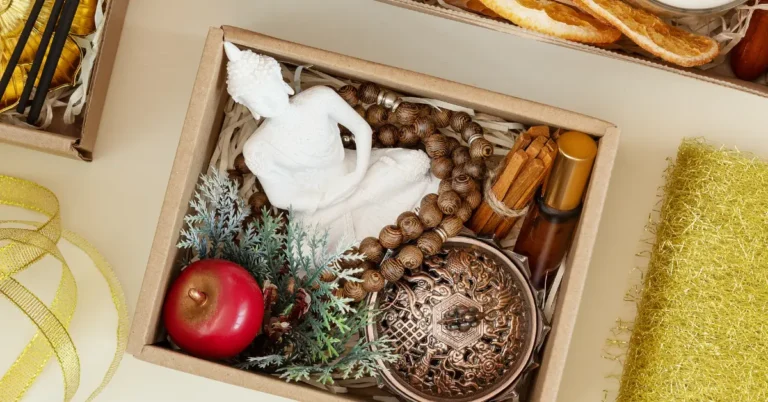
Buddha statues are common in meditation decor, and they are also the item most likely to feel borrowed from a culture you do not practice. I am not here to police anyone’s altar. I am saying that as a design choice, a statue should fit the scale of the room and your relationship to the symbol. A set of three small seated figures on a tray can mark a shelf without dominating it. Lightweight resin is easier to move while you experiment with layout. Heavier stone or ceramic feels more permanent once you know the spot.
I have seen clients place three statues in a row on a floating shelf above a cushion. The grouping reads intentional if the shelf is long enough that they are not crowded. Paint quality varies wildly at budget price points. If the gold detail looks streaky under daylight, it will bother you more than you expect. Smaller than you imagined is usually fine. A six-inch figure on a twelve-inch shelf leaves breathing room for a candle or a small plant. That negative space is part of the design. If statues feel wrong for your practice, substitute a smooth stone or a single branch in a vase. The job is the same: one stable visual anchor.
6. Zen Wood Sign

Wall-hung wood signs with lotus or zen motifs bridge the gap between art and object. They add texture that flat prints lack. Distressed wood can warm up a white wall without introducing strong color. I use these when a renter cannot paint but the room feels clinical. A hanging sign with a simple cord or keyhole bracket installs in ten minutes and removes cleanly if you move.
Proportion is the usual mistake. A wide plank sign on a narrow wall looks like a placeholder. Measure the wall section visible from your sitting position, then choose a sign that covers roughly one-third of that width. I gifted a lotus plaque to a friend who meditates in a farmhouse-style kitchen nook. The wood tone matched her open shelves, so the sign felt native instead of imported. High-quality plywood or solid pine lasts longer than fiberboard with a photo-printed surface. If you can hang only one item, I often choose this over a framed print when the room needs warmth more than color.
7. Yoga Turtle Statue

A yoga turtle statue combines animal form with a seated figure, which sounds cute on paper and can easily tip into novelty. I keep it when the finish is matte and the pose is simple. Glossy resin turtles read as desk toys. Matte surfaces absorb light and stay quieter in the frame of vision. The flat bottom design matters if you place it on a shelf that gets bumped. I have one on a bookshelf between two stacks of design books. It marks the end of the work section and the start of the practice section without a room divider.
Paint quality and size complaints show up often in reviews, and they are fair. Inspect the face and hands for sloppy detailing if you buy online. For a larger statement piece, a turtle is the wrong choice. For a six-to-eight-inch accent on a side table, it works. If you already have a sea turtle figurine elsewhere in the room, pick a different motif. Repeating the same symbol in two sizes looks accidental. I would rather pair a turtle with a plain ceramic bowl for keys than with another animal sculpture.
8. Hamsa Hand Shelf Display

The hamsa hand shelf solves a practical problem that statues ignore: where do small objects go? Crystals, a matchbox for candles, a folded note, a timer. A wall-mounted shelf with a decorative back panel gives you storage and visual interest in one piece. I like these in entry-adjacent meditation corners where you need a landing spot for everyday items that would otherwise clutter the cushion area.
Installation is usually straightforward, but check the depth. Thin shelves flex if you load them with heavy stone pieces. I use them for light objects only. Some units ship with tight-fitting slots that need gentle pressure to seat. Read the weight limit and believe it. Rustic wood pairs well with the other wooden signs on this list if you want a coherent material story. If your practice space is outdoors or on a covered patio, consider how rain and humidity will affect the wood before you mount anything permanent. For backyard setups, I often start with small backyard meditation gardens planning before I choose wall decor at all.
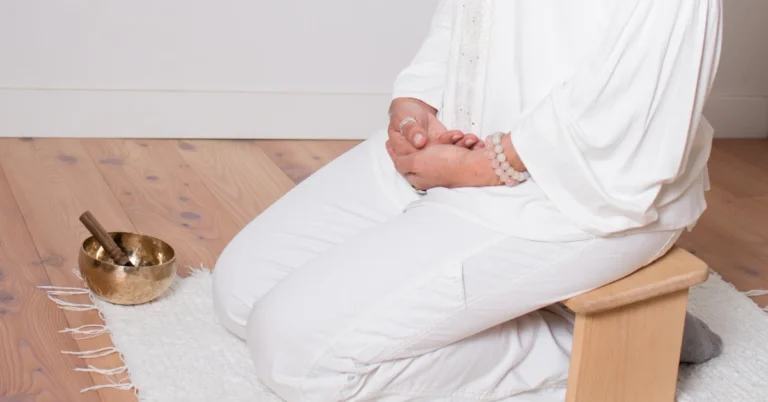
My bottom line on meditation decor: choose fewer objects, match materials to the room you already have, and place everything based on where your eyes go when you sit. A cushion on the floor is still the functional core. If you are building the space from scratch, get the seating right first with a proper meditation cushion, then add one visual anchor, then stop. The peaceful feeling comes from what you removed from view as much as from what you bought.