
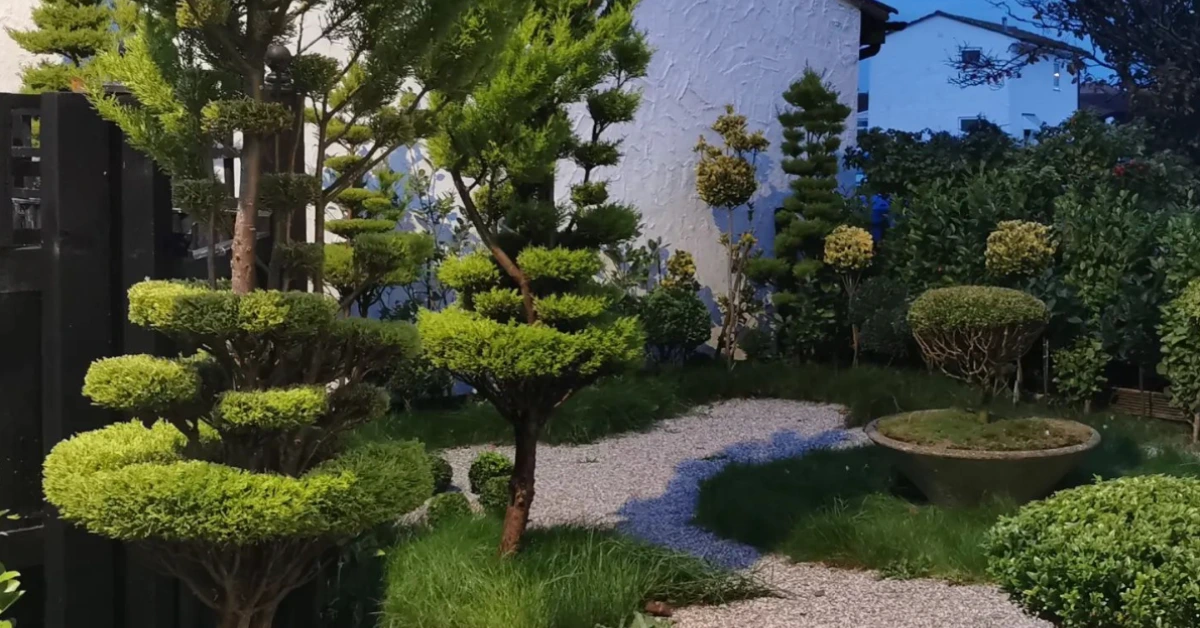
A small meditation garden is a design problem before it is a spiritual one. You have a balcony, a patio corner, or a strip of yard nobody uses, and the question is how to turn that into a space where sitting quietly actually feels natural. I am a designer who meditates, not the reverse, so I approach these spaces the way I approach any small room: figure out the constraints first, then add only what earns its place.
The good news is that small spaces are often easier to get right than large ones. Fewer square feet means fewer decisions and less to maintain. I have built calm corners on a third-floor balcony and helped a client carve a meditation nook out of a side yard barely wider than a doormat. Both worked because we kept them simple.
This guide covers the purpose of a small meditation garden, how to design and lay one out, which plants actually pull their weight, and a practical checklist to get you started. No incense required, and no, you do not need to be a gardener.
Purpose of Small Meditation Garden
The job of a meditation garden is separation. It marks a boundary between the part of your home where things happen and the part where, for ten minutes, nothing has to. Indoors that boundary is hard to hold because the laundry and the laptop are always in view. Outdoors, with a different surface underfoot and open sky overhead, the shift in attention comes easier.
A small footprint works in your favor here. The same principles that drive a full zen meditation garden apply to a balcony: a clear seat, a focal point, a limited palette, and as little clutter as you can manage. You are not shrinking a big garden down. You are designing for the space you actually have.
There is decent evidence that time spent in green space lowers stress and helps you recover attention. I am careful not to oversell that. A garden will not fix a hard week. What it does, in my experience, is remove friction. When the space is ready and inviting, you sit more often. Consistency is most of the benefit, and a well-placed corner makes consistency easier.
A small garden also has a maintenance advantage that I rarely see mentioned. Big meditation gardens look impressive in photos and quietly demand hours of upkeep: raking, pruning, weeding, replacing plants that did not survive. A compact corner with a handful of pots and one focal element takes a few minutes a week. Since the whole point is to lower the barrier to sitting down, a space you can keep tidy without resentment beats an ambitious one you start avoiding by midsummer.
Designing Your Small Meditation Garden

Before I buy anything, I sit in the spot. Cushion height, eyes open, and I notice what I can see and hear. If the first thing in view is the trash bins or a neighbor’s AC unit, that is the problem to solve first, not the plant selection. Design is mostly editing what is already there.
Choosing the Right Elements
Keep the element list short. Every object you add is something to clean, water, or store over winter. Here is what I consider worth the space:
- Plants: Pick a few low-maintenance choices that smell good and tolerate your light. Lavender, jasmine, and rosemary are reliable. Two thriving pots beat six struggling ones.
- Water: A small fountain masks street noise, which matters more in a city than any plant does. If you skip the pump, a simple bowl you refill weekly still adds a quiet focal point.
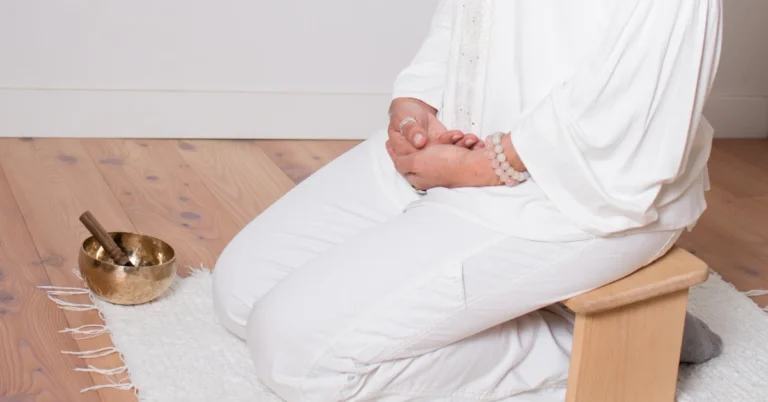
- Seating: Comfort decides whether you actually use the space. A stable bench, a weatherproof cushion, or a low stool. Test it for the length of an actual sit, not ten seconds in the store.
- Lighting: Only if you practice at dusk. Warm, low string lights or a single lantern. Skip anything bright enough to read by; you want mood, not a work light.
On budget: a small meditation garden does not need to be expensive, and spending more rarely buys more calm. The two places worth real money are seating and, if you need it, a quiet pump for a water feature. A cheap chair you avoid because it is uncomfortable defeats the whole purpose, and a loud fountain pump adds noise instead of masking it. Everything else (pots, gravel, a focal stone) can come from a hardware store or your own yard. I have reused broken paving slabs as stepping stones and a chipped ceramic bowl as a water basin, and neither looked like a compromise once they were in place.
Creating a Layout
Once you know the elements, place them around the seat, not the other way around. The view from the cushion is the design. Here is how I lay out a small space:
- Plan for privacy: A trellis, a tall planter, or a bamboo screen does more for the feeling of the space than any decoration. Block the sightline that pulls you out of focus.
- Create one focal point: A single stone, a planted specimen, or a water bowl. One thing for your eyes to land on, placed where you can see it without turning your head.
- Keep it simple: Clutter is the most common mistake in small gardens. Empty space is not wasted space; it is what makes the corner feel calm instead of crammed.
- Design for your climate: Choose plants and materials that hold up through your seasons. A corner that bakes in July sun or floods every spring will go unused, no matter how nice it looks on day one.
If you are working with a backyard rather than a balcony, the same logic scales up. These meditation garden ideas give you starting layouts you can trim down to fit a smaller plot.
Selecting Plants for Small Meditation Garden

For a small space, I divide plants into two jobs: scent and color. You do not need many of either. Pick one or two from each group, match them to your light, and stop there.
Aromatic Plants
Scent is the element people underestimate. A single fragrant plant near the seat does more for the mood than a row of pretty foliage across the yard. My reliable picks:
- Lavender: Hardy, drought-tolerant, and the scent genuinely settles me. It wants full sun, so a bright balcony suits it well.
- Rosemary: Tough, evergreen in mild climates, and useful in the kitchen too. It handles neglect better than most herbs, which I respect.
- Sage: A soft, earthy scent and silver-green leaves that read calm. It pairs well with lavender and asks for similar light and water.
One caution: lavender and jasmine attract bees. That is good for the garden and less good if you sit close and find buzzing distracting. Place fragrant bloomers a step away from the cushion, not right beside it.
Colorful Plants

Color is where small gardens go wrong fastest. A riot of blooms in a tiny space reads as busy, not calm. I use color as an accent, one tone against the green, not a competition. A few that earn their spot:
- Pale purple coneflower: A prairie plant that handles heat and produces soft purple blooms. Low fuss, easy to like.
- Japanese maple: If you have room for one small tree or a large container, the red foliage is a focal point on its own. It prefers some afternoon shade.
- Blue star creeper: A low ground cover with tiny blue flowers. Good for softening the edges of pavers without adding height or clutter.
Whatever you choose, match it to your climate and your honest willingness to maintain it. A dead plant in the corner is a small daily reproach, which is the opposite of what this space is for. If the indoor side of your practice needs attention too, align the palette with your meditation room colors so the two spaces feel related.
Most Important Elements When Creating Your Own Small Meditation Garden – Checklist

If you want a simple order of operations, here is how I would build a small meditation garden from scratch:
- Find the spot: Look for the quietest, most private corner you have: a patio edge, a grass patch, a balcony. Sit there at the time of day you plan to practice and check the light and noise.
- Choose a few plants: Pick one or two scented plants and at most one color accent. Lavender, jasmine, or chamomile are forgiving starting points.
- Add water if noise is an issue: A small fountain or bowl. Skip it if your corner is already quiet; it is one more thing to maintain.
- Set up stable seating: A bench, chair, or weatherproof cushion you can sit on comfortably for the full length of a session.
- Add one natural anchor: A stone, a wooden stool, a single planter. One focal element, then stop before the corner gets crowded.
The aim is a space that feels ready, not finished to perfection. For inspiration on compact outdoor setups, the layouts in these small backyard meditation gardens translate well to balconies and tight corners with minor adjustments.
FAQ
What is a small meditation garden, and how does it differ from larger meditation gardens?
A small meditation garden is a compact outdoor space, often a balcony, patio corner, or narrow strip of yard, designed for quiet practice. The principles match larger gardens, but the small scale forces stricter editing: fewer plants, one focal point, and minimal clutter. In practice that constraint usually makes small gardens easier to get right.
What design elements are typically recommended for small meditation gardens, given limited space?
Prioritize comfortable, stable seating, one or two scented plants, an optional small water feature for noise, and a single focal object like a stone. Place everything around the view from the seat, and leave open space on purpose so the corner feels calm rather than crammed.
How can individuals make the most of a small meditation garden and optimize its tranquility?
Block the sightline that pulls your attention out (trash, AC units, a busy street) with a screen or tall planter, keep the element count low, and match plants to your actual light and maintenance habits. A space you keep up is one you will use; an ambitious one you neglect becomes a chore.
Are there specific meditation practices or techniques ideal for small meditation gardens?
Breath awareness and open monitoring work well outdoors, where ambient sound and light give your attention something steady to rest on. You can also use a garden feature as an anchor: the sound of water, a single plant, or the focal stone. The space supports the habit; the technique itself comes from your practice.
If you build a small meditation garden of your own, I would like to know which element made the biggest difference: the screen, the scent, the water, or the seat. Tell me what worked in the comments, and what you would do differently next time.