
A meditation garden in a small backyard is a layout problem first. You have maybe ten by twelve feet, a view of the neighbor’s fence, and the goal of sitting outside without feeling watched or cluttered. I have designed corners like this for clients in Austin and for my own rental patio, and the wins are almost always about boundaries, seating, and what you leave out.
This guide walks through assessing your space, choosing a simple theme, and adding only elements that earn their place. At the end I include three ways to use the garden once it exists: still sitting, slow walking, and a short visualization you can do on a bench. For a deeper dive on compact layouts, my post on a small meditation garden covers a similar problem from a different angle.
Understanding Small Backyard Meditation Gardens
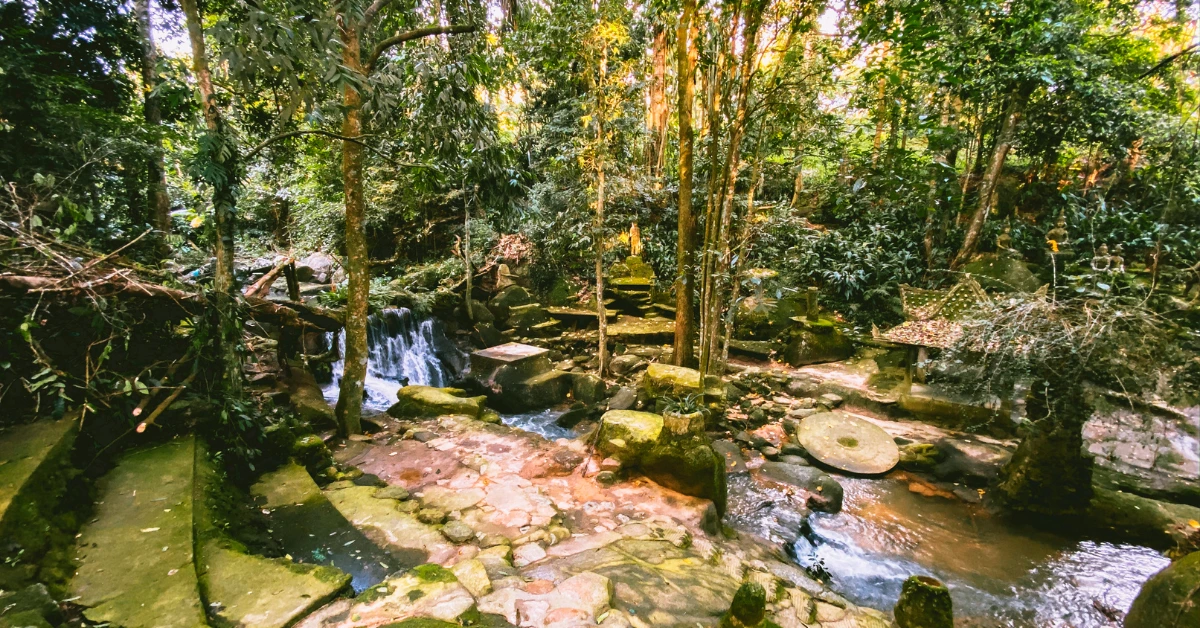
A backyard meditation garden is an outdoor room with one job: make sitting still feel natural. It does not need a waterfall or a full Zen rebuild. It needs a clear place to put your feet, something soft to look at, and enough screening that you forget the laundry line next door.
Common pieces that work in tight spaces:
- Plants: Low-maintenance natives or pots you can move. One structural plant beats six impulse buys from the nursery.
- Water: A small fountain masks traffic noise. Skip it if maintenance will annoy you within a month.
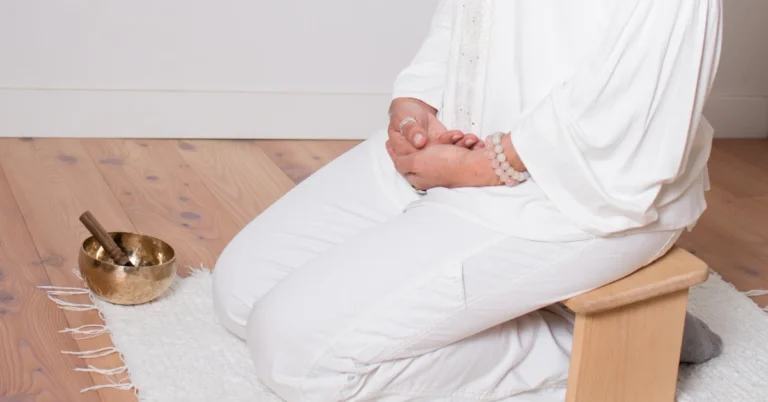
- Seating: A flat stone, a bench, or a cushion on decking. If the seat is wrong, nobody uses the garden.
- One focal object: A statue, a bowl, or a single large planter. More than one focal point fights for attention in a small plot.
Designing Your Small Backyard Meditation Garden

Assessing Your Space
Stand in the backyard and mark the quietest corner, not the prettiest. Morning sun on your face is nice; afternoon glare on a metal bench is not. Notice where sound enters: road, AC unit, dog two yards over. A hedge or tall grass on that side often matters more than another decoration.
Measure the usable footprint. Subtract paths you need for the lawnmower or the back door swing. What remains is your meditation zone, usually smaller than you hoped, which is fine. Six feet clear is enough for a cushion and a breath.
Choosing a Theme
Pick one visual language and repeat it. Dry Zen with gravel and one maple. Soft cottage with lavender and a wooden bench. Modern minimal with concrete pavers and a single tall grass. Mixing styles in ten square feet looks like clutter, not eclectic taste.
I often steer clients toward a zen meditation garden palette when they want low water and low fuss: gravel, a few stones, one green plant. If you prefer flowers and scent, commit to that instead and skip the sand rake entirely.
Selecting Plants and Hardscape
Choose plants that look good in every season you will sit outside. Evergreen structure plus one seasonal flower beats a bed that dies back to mud in winter. Keep heights layered: low ground cover, mid-height texture, one vertical element for the eye to rest on.
Ground matters. Bare dirt gets muddy; loose mulch sticks to cushions. Pavers, compact gravel, or a small deck define the sit spot and keep weeds out of your meditation zone. More layout ideas live in my roundup of meditation garden ideas if you want comparisons before you buy anything.
Lighting for a Small Backyard Meditation Garden

Evening practice needs warm, low light. Solar path lights at knee height beat a floodlight on the house wall. String lights on a fence can work if you dim them or choose amber bulbs. Candles in glass are fine on a stable table if open flame is allowed in your area.
I treat outdoor lighting the same way I treat indoor corners: nothing shining in your eyes while you sit. Solar lanterns, amber string lights, or a single candle in a glass holder on a side table are enough for most backyards.
Three Ways to Use Your Garden Once It Is Built

1. Still Sitting with the Garden in View
Sit facing your focal plant or stone, not the house. Open with ten breaths noticing what is actually there: a bee, wind in grass, distant traffic you cannot fix. Let the garden hold one sense while you rest attention on breath. No visualization required on day one; looking at real green is enough.
2. Slow Walking a Short Path

Even six feet of path works. Walk heel-to-toe slowly, hands loose, eyes soft on the ground ahead. Coordinate one step with one exhale if counting helps. Pause at the end, stand for three breaths, turn back. I use this when sitting feels too static but I still want the garden involved.
3. Bench Sit and Memory of the Space

On days you cannot go out, sit inside and recall the layout you built: where the bench sits, what you see left and right. That mental map calms faster than inventing a fantasy beach. The garden pays off twice: in use and in memory.
A small statue or bowl can anchor the focal point if you want something tactile. Options and honest sizing notes are in my guide to meditation statues; choose one piece that fits the scale of your plot, not the largest figure on the shelf.
FAQ
How small can a backyard meditation garden be?
Six by six feet is enough for a cushion, one plant, and a screen plant on one side. Smaller works on a balcony with pots. The limit is usually clutter, not square footage. One clear sit spot beats a sprawling design you never finish.
Do I need a water feature?
No. Water helps mask noise but adds pump maintenance and winter care in cold climates. Gravel, grass, or a simple fountain bowl you can empty are alternatives. Skip water if you will resent cleaning it.
How do I add privacy in a tiny backyard?
Tall grasses, a trellis with vine, or a fence panel on the noisy side. Position seating so your back is toward the house and your gaze avoids the neighbor’s windows. Privacy is sight lines as much as fence height.
What is the cheapest way to start?
Clear one corner, add outdoor-safe seating you already own, and one potted plant. Define the ground with gravel or a mat. Upgrade stone, fountain, or statuary after you have sat there ten times and know what annoys you.
What is the smallest outdoor corner you have turned into a sit spot? Tell me in the comments, and follow along on Pinterest for more garden layout ideas.